Water-proof Outdoor Tents Features You Must Know
Whether you're a weekend camper or a seasoned backpacker, getting captured in unanticipated rainfall inside a dripping outdoor tents is among one of the most miserable outdoor experiences you can possibly imagine. Selecting a waterproof tent isn't just about ordering the one with "water resistant" printed on the label-- it's about recognizing the details attributes that really keep you dry. Here's a failure of the water-proof camping tent functions you ought to know prior to your following experience.
Hydrostatic Head Rating
The hydrostatic head (HH) ranking is one of the most crucial number to search for when evaluating a tent's waterproofing. It gauges just how much water pressure a textile can hold up against prior to it starts to leak, expressed in millimeters. A ranking of 1,000 mm is taken into consideration the bare minimum for light rain, while 1,500 mm to 2,000 mm works well for modest rainfall. For heavy rainstorms or extended wet problems, you'll want a rating of 3,000 mm or greater.
This score applies independently to the camping tent's rainfly and the floor. Constantly inspect both-- a tent with a solid fly however a weak floor can still leave you oversleeping a puddle from ground moisture permeating up.
Rainfly Protection and Design
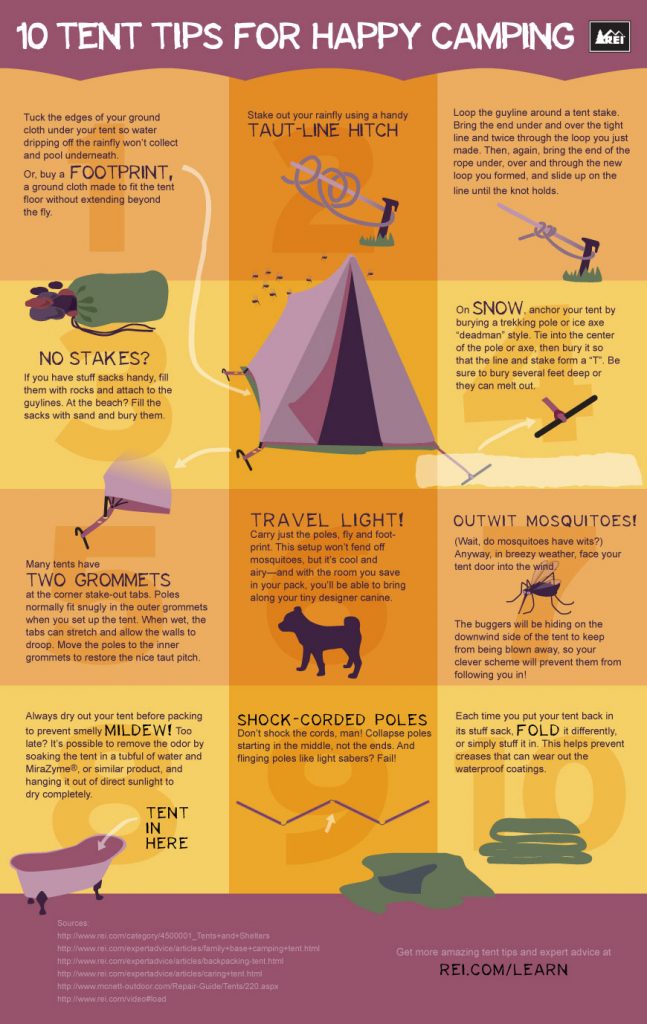
A rainfly is the external water-proof layer draped over the inner outdoor tents body. Not all rainflies are produced equivalent. A full-coverage rainfly prolongs all the way to the ground, supplying maximum protection from wind-driven rainfall. A partial rainfly leaves the lower sides of the outdoor tents subjected, which can operate in light rain yet comes a cropper in heavy tornados.
Vestibules and Extended Coverage
Much better waterproof outdoors tents include vestibule locations-- covered areas outside the primary resting area where you can save wet equipment, sloppy boots, or backpacks. A charitable vestibule keeps water-soaked tools from dripping inside your outdoor tents and adds a valuable layer of weather condition defense around the door area.
Joint Sealing and Taped Seams
Even one of the most waterproof textile can let water slip through at the joints-- the sewn lines where panels of material are joined together. This is why joint sealing is an important function to search for. There are two major types: factory-taped seams and seam-sealed joints.
Factory-taped seams make use of water resistant tape used under warm to entirely seal sew openings. This is the gold requirement and located on higher-quality tents. Seam-sealed outdoors tents have had a water resistant substance applied to the joints, which works but might call for occasional re-application gradually. Always inspect whether an outdoor tents's seams are completely taped or critically taped, as some budget plan alternatives only secure one of the most vulnerable points.
Water Resistant Coatings and Products
The fabric itself matters just as high as its rating. Many water-proof tents use a couple of key covering types.
Polyurethane (PU) Layer
Polyurethane is the most common water resistant layer applied to camping tent materials. It's inexpensive, effective, and gives a great seal versus rainfall. However, PU finishes can deteriorate with time-- particularly when exposed to UV rays and wetness-- so proper storage space and care are vital to prolong the tent's life expectancy.
Silicone Coating (Silnylon and Silpoly)
Silicone-coated materials, frequently described as silnylon or silpoly, are lighter, more long lasting, and highly immune to UV degradation. They have a tendency to be more costly yet use superior long-lasting efficiency. Numerous ultralight and premium backpacking tents prefer silicone-coated materials for their strength-to-weight ratio.
Water-proof Zippers and Door Design
Zippers are amongst one of the most neglected powerlessness in tent waterproofing. Requirement zippers can permit water to seep via their teeth throughout heavy rain. Search for camping tents that feature storm flaps-- fabric strips that cover the zipper line-- or water-resistant zipper treatments that fend off moisture before it has a chance to penetrate.
The door's design also plays a role. D-shaped doors that open up downward are better in rainfall due to the fact that they maintain the opening up away from water pooling at the base.
Bathtub Floor Design
A water-proof outdoor tents needs to have what's called a tub floor-- a construction design where the flooring product contours up a number of inches along the sides before meeting the wall fabric. This develops a tub-like obstacle that stops rain from flowing along the ground and under the tent wall surfaces. The greater the bath tub wall surfaces, the much better the protection against ground-level water breach.
Long Lasting Water Repellent (DWR) Complete
Many tent textiles are treated with a Sturdy Water Repellent surface that triggers water to bead up and roll off as opposed to saturating into the material. With time, DWR therapies wear off with usage and washing. The bright side is they can be reapplied making use of spray-on or wash-in DWR products available at most exterior merchants.
Final Thoughts
A truly waterproof outdoor tents is the outcome of multiple attributes operating in harmony-- not simply one single rating or product. By comprehending hydrostatic head ratings, joint building, flooring style, and covering kinds, you'll be much better best tent fan outfitted to select a tent that maintains you genuinely completely dry regardless of what the weather throws at you. Buy these functions wisely, and your camping tent will compensate you with dry, comfy nights for several years to find.